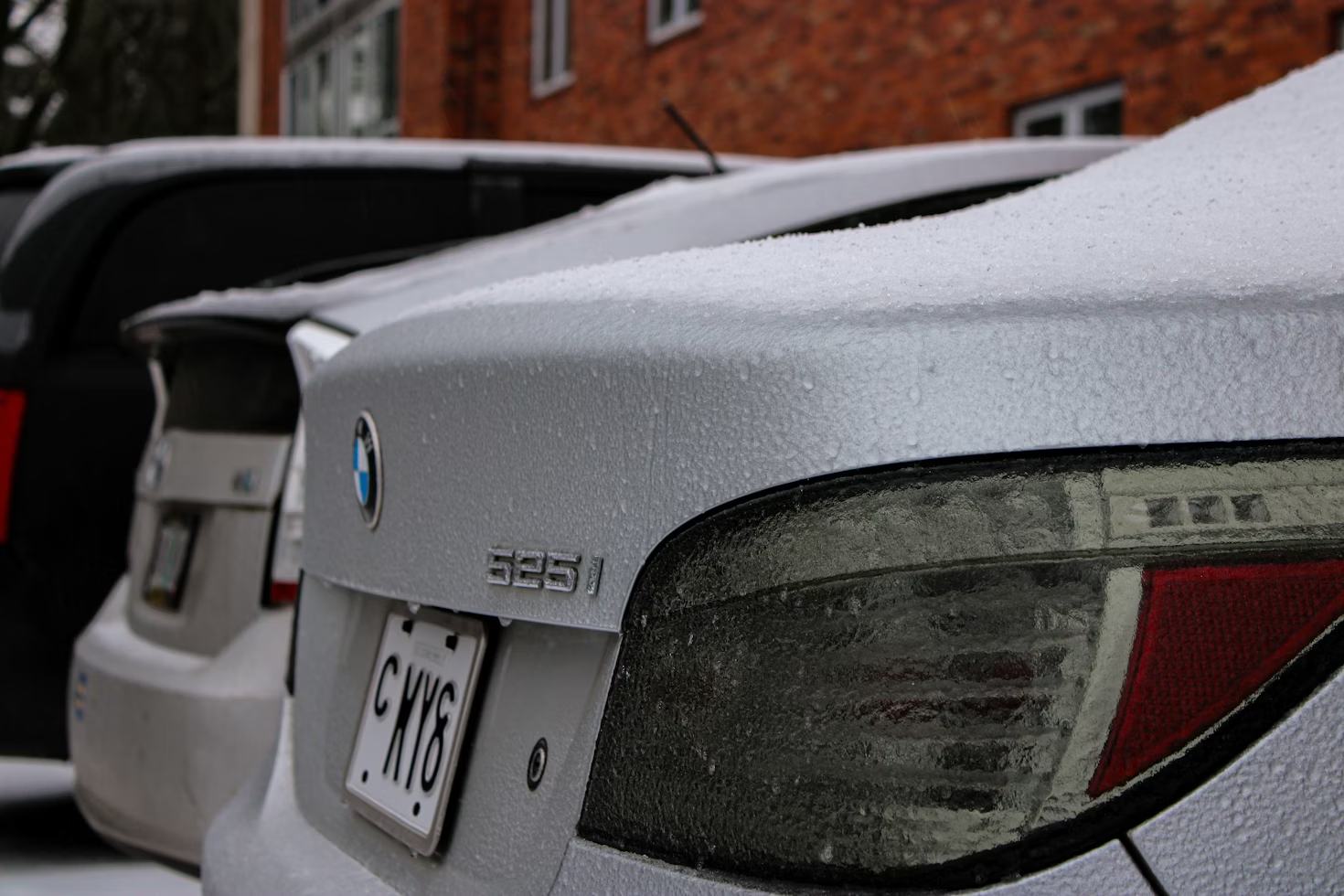
Spring in Calgary is a transition; from heavy boots and block heaters to open windows and road trips.
Alberta winters are not kind to cars. The combination of road salt, freeze-thaw cycles, cold starts, and months of sub-zero temperatures adds up. The good news is that most of what winter leaves behind is entirely manageable, if you catch it early.
Here's a thorough look at what we inspect every spring on the European vehicles that come through our shop, and why each item matters.
If you're running a dedicated set of winter tires, spring is the time to make the switch back to your summer or all-season set. The general rule of thumb: once daytime temperatures are consistently above 7°C, winter compounds begin to wear more quickly and perform less efficiently than they were designed to.
For performance-oriented vehicles, especially those running staggered fitments or run-flat configurations, it's also worth inspecting each tire for sidewall cracking, uneven wear, and adequate tread depth before the new season begins.
Road salt is corrosive. Over the course of a Calgary winter, it accelerates surface rust on brake rotors, can compromise caliper pistons, and in more extreme cases, affects brake lines and hardware.
A visual brake inspection is standard on every spring service we perform. We check rotor condition, pad thickness, caliper function, and hardware. If your brakes have been feeling different (pulling to one side, taking longer to stop, or making noise) spring is the time to address it before the long-weekend highway runs begin.
European vehicles are precise machines, and their fluid requirements reflect that. We don't just top up fluids during a spring service, we test them.
Calgary's spring roads are notoriously rough. Potholes that formed over winter are at their worst before road crews catch up. European suspension components, engineered for precision, feel every one of them.
Signs that your alignment or suspension needs attention:
An alignment check after winter is a routine part of spring maintenance on any vehicle driven through a full prairie winter.
Cold temperatures can significantly reduce battery capacity. A battery that held its charge all winter may be operating at a diminished reserve. Spring is the ideal time to test it before summer heat (the leading cause of battery failure) compounds the issue.
Modern European vehicles are particularly sensitive to battery health. Many systems, from engine management to comfort electronics require a battery that meets minimum voltage thresholds. A battery test takes minutes and provides real data on its remaining life.
A thorough spring wash isn't just cosmetic. Road salt that sits in wheel wells and on underbody components continues to corrode through spring and summer if it's not removed. A professional underbody wash (or at minimum a thorough pressure wash) is one of the highest-return, lowest-cost things you can do for the long-term condition of your vehicle.
When you come to Sheni’s Auto Trend, you join our family. Sign up for our newsletter for information about upcoming events, performance upgrade inspiration, and tips on keeping your car in tip top shape directly in your inbox.
At Sheni’s, your comfort and safety are our number one priority.